
Advancing healthy longevity through evidence, education and innovation.
We help people live healthier, better and longer by finding, evaluating and sharing the evidence, methods and tools that can reduce the risk of chronic disease and improve health across the lifespan.
Why healthy longevity matters.
Chronic disease steals healthy years from millions of people — often long before it becomes visible. A meaningful share of this burden is influenced by modifiable factors: how we sleep, move, eat, handle stress and connect with others.
At the same time, reliable knowledge is hard to navigate. Research is scattered across disciplines, findings are often overstated, and it can be genuinely difficult to tell what is well-supported from what merely sounds convincing.
Turning evidence into everyday action.
01
Find, evaluate and share evidence
We track the research on healthy longevity and chronic disease prevention, weigh the quality of the evidence, and translate it into plain language.
02
Educate
Through talks, a book, articles and programs, we help people and organisations understand what actually reduces risk — and what doesn't.
03
Help people find practical tools and support
We point to tools, coaching and programs that can help put evidence into practice in everyday life.
04
Partner on prevention and innovation
We work with organisations, companies and municipalities on prevention initiatives, research collaborations and new solutions.
Our principles.
01
Human evidence over mechanistic speculation
We prioritise findings from real people over plausible-sounding theories about biological mechanisms.
02
The totality of evidence over single studies
One study rarely settles anything. We look at the full body of research before drawing conclusions.
03
Health outcomes over surrogate markers
We care most about outcomes that matter to people's lives — not just changes in a lab value.
04
Safety matters
Potential harms are weighed alongside potential benefits, always.
05
Cost and burden matter
A recommendation also has to be realistic — in time, money and everyday effort.
06
Evidence changes, and so should recommendations
We update our views when better evidence emerges, rather than defending old positions.
07
Science before hype
We avoid trends and shortcuts that outrun the evidence, however appealing they sound.
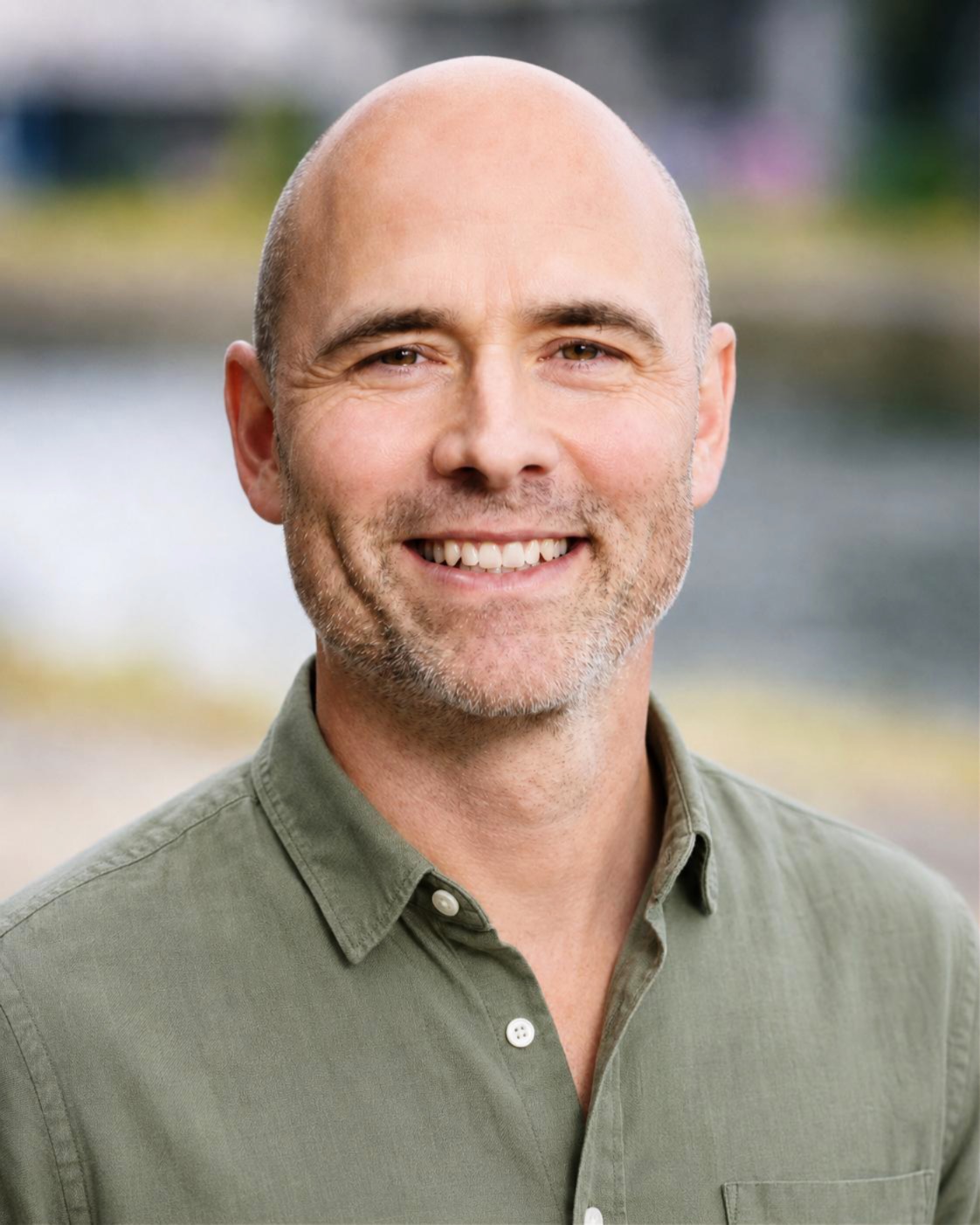
Ulrik Ditlev Seemann Eriksen · Founder
Why Longevity Institute was founded.
Ulrik Eriksen founded Longevity Institute because he became convinced that many chronic diseases — and the healthy years lost to them — are influenced by modifiable factors, yet reliable knowledge is hard to navigate and even harder to turn into lasting behaviour.
His work brings together evidence from healthy longevity, lifestyle-related risk factors, chronic disease prevention, psychology, behaviour change, innovation and implementation.
His background spans psychology, lifestyle medicine and innovation in health — studies he draws on as context, not credentials. He is a founder, entrepreneur, learner and synthesiser of evidence, and an advocate for evidence-based prevention — not a doctor, professor or biomedical researcher.
He is the author of The Art of Longevity, published by Longevity Institute.
Collaborators.
Longevity Institute works with researchers, clinicians, coaches and organisations across healthy longevity and chronic disease prevention. Among the partners we have worked with:

Alexandra Instituttet

Teknologisk Institut

VIA University College

Hjørring Kommune
Transparency
Some of the tools and services we reference are provided by affiliated or third-party organisations. Provider information is shown where relevant, and any affiliate links are always clearly labelled.
We do not accept paid placements.
Want to work with us?
Start free with Vila, read the book, or take the 2-minute quiz.
Important
Longevity Institute provides health guidance based on lifestyle science. We are not a medical device, and we do not diagnose, treat or cure medical conditions. Always consult qualified health professionals about medical concerns. Our aim is to supplement — not replace — professional care.
Correlation is not causation. The figures cited come from large observational studies and randomised trials as referenced; individual results vary. Scores are a marker of progress — not a diagnosis.